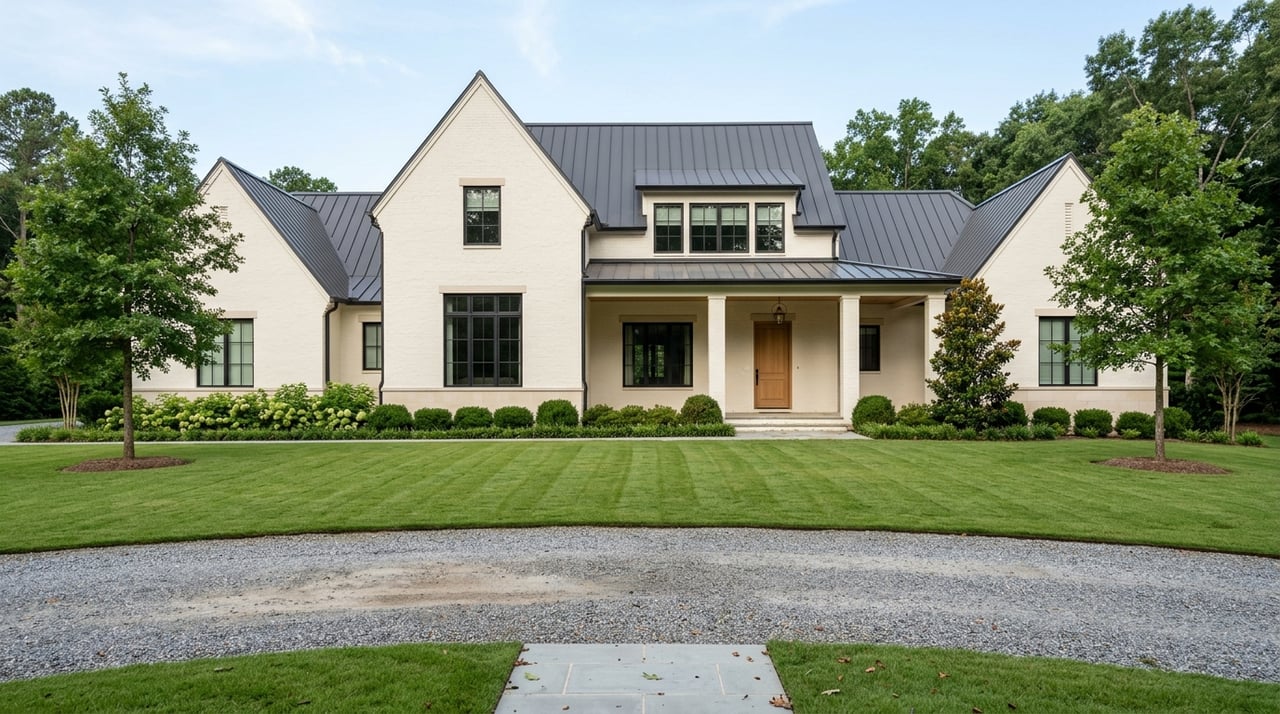
Getting Milton Acreage Market Ready For Discerning Buyers
June 4, 2026
June 4, 2026
If you own acreage in Milton, getting it market ready takes more than tidying the house and booking photos. Buyers in this segment often look at the land, improvements, and legal framework just as closely as they look at finishes and square footage. When you prepare the full property story before listing, you give discerning buyers more confidence and put your property in a stronger position from day one. Let’s dive in.
Milton is known for a rural setting that still feels connected to everyday life. The city says about 85% of its more than 39 square miles are agriculturally zoned, and more than 90% of land within city limits is low- or very-low-density residential. That creates a market where acreage is not just a backdrop. It is often a major part of the value.
Milton also defines a large lot as a property of 3 acres or more, and a 2024 city post noted that Milton is home to more than 200 active horse farms. In a place where barns, pastures, and horse farms are part of the local identity, buyers usually want to understand how the property actually functions, not just how it looks in photos.
That means your listing should answer practical questions early. Buyers may want to know how the land is zoned, whether the parcel is in a floodplain, what utilities serve the property, and whether barns or other improvements were properly permitted. A polished presentation matters, but clarity matters just as much.
Before your listing goes live, it helps to confirm exactly what you are selling from a land-use perspective. In Milton, zoning staff handles rezonings, zoning modifications, use permits, variances, and zoning certification letters. If your property may attract buyers looking for horses, agricultural use, or future flexibility, this is one of the most important first steps.
A zoning certification letter can help document the current zoning status of the property. Milton says the request requires the property address and tax parcel ID, along with two forms of property identification such as a legal description, address, tax parcel ID, or survey. The fee is $30, which is a small investment for information that can reduce confusion later.
This matters even more if a seller is tempted to market acreage as subdividable, expandable, or suited for a different use. Milton’s zoning page states that a variance cannot grant relief from use, minimum lot area, or minimum lot frontage. In other words, you do not want to make assumptions about what may be possible in the future.
If your property qualifies for agricultural or timber use, tax treatment may be part of the conversation. Georgia’s Conservation Use Value Assessment, or CUVA, can affect how buyers view both carrying costs and future flexibility. The Georgia Department of Revenue says qualifying conservation-use land is assessed at 40% of current use value, and the land must remain in qualifying use for 10 years.
For Milton properties, Fulton County manages CUVA. If your parcel is enrolled, that should be clearly documented and explained before the home hits the market. A buyer who understands the benefit and the obligation is far more likely to move forward with confidence.
This is also where careful positioning matters. Some buyers may love the idea of conservation-use land, while others may want fewer restrictions. Either way, clear documentation helps avoid surprises during due diligence.
Horse-property buyers often assume acreage means broad flexibility, but that is not always the case. Milton publishes animal limits outside agricultural areas, and those limits can affect how a buyer evaluates the property. Except in areas zoned for agriculture, the city says a single premises may not exceed 5 horses, mules, asses, or cows, along with other limits for sheep, goats, hogs, dogs, cats, rabbits, and fowl.
That makes parcel-specific verification essential. If your property is being marketed to equestrian or farm-minded buyers, the zoning story should be confirmed before any marketing language is written. This protects both the seller and the buyer from assumptions that may not hold up.
Acreage buyers tend to ask more detailed questions, and serious buyers often ask them early. The more organized you are before listing, the smoother the process tends to be once interest builds. In Milton, a strong seller packet can save time and strengthen credibility.
Fulton County Clerk of Superior Court records and indexes deeds, plats, surveys, and other land records. Fulton County’s tax parcel dataset also includes useful property details such as parcel ID, address, acreage, land-use class, and assessed or appraised values. These records help support the property story with documentation rather than guesswork.
Milton GIS provides zoning and floodplain maps, and Fulton County offers mapping tools with aerial imagery, contours, floodplain information, and water and sewer viewing tools. For acreage, these layers can help confirm boundaries, access, drainage patterns, and utility context. When your listing presentation aligns with city and county records, buyers are more likely to trust what they see.
A practical packet may include:
On acreage, utility questions often shape buyer interest. If the property is on septic or may need a new onsite system, Fulton County Board of Health says Environmental Health Services permits and inspects onsite sewage management systems. It also requires plan review when an onsite sewage system and or individual drinking water supply is proposed.
If the property has a private well, water quality and well placement matter. Georgia DPH says a well should be at least 50 feet from a septic tank, 100 feet from a septic absorption field, and 100 feet from an animal or fowl enclosure. DPH also recommends annual bacterial testing and a chemical screening every three years.
These are details buyers often ask about once they understand the property is not on standard suburban utility service. If you can answer those questions with records and recent information, your property will feel more prepared and easier to evaluate.
Floodplain, buffers, and site constraints can affect both use and confidence. FEMA identifies flood maps as the official source for flood hazard information, and Milton GIS also offers a floodplains map. On acreage, this can be one of the most important due-diligence items because it may influence insurance requirements, usable land area, and buyer plans.
You should also be careful before making cosmetic changes to the land. Milton requires permits for land disturbance of 5,000 square feet or more, and tree removal permits may be required for trees 15 inches DBH and in some cases for smaller canopy trees or trees in buffers. What looks like simple cleanup or beautification can trigger permit requirements.
That is why thoughtful preparation matters more than rushed preparation. A clean, well-presented property is valuable, but it should be prepared in a way that respects local rules and preserves trust.
On Milton acreage, outbuildings are rarely an afterthought. Barns, run-in sheds, workshops, and detached structures may be central to how the property is used and how buyers value it. Milton’s building pages state that permits are required for new construction and generally for detached accessory structures such as sheds and storage buildings.
For sellers, that means improvements should be presented carefully and accurately. If you have records for a barn, workshop, guest structure, or similar building, include them in your prep work. If permit history needs to be clarified, it is better to sort that out before the listing launches.
This is especially important in Milton, where equestrian property is a recognized niche. The city’s equestrian pages make clear that horse facilities are part of the community identity, so buyers in this market often notice the details. They want to understand not only that a barn exists, but how it fits the property and whether it has been properly handled.
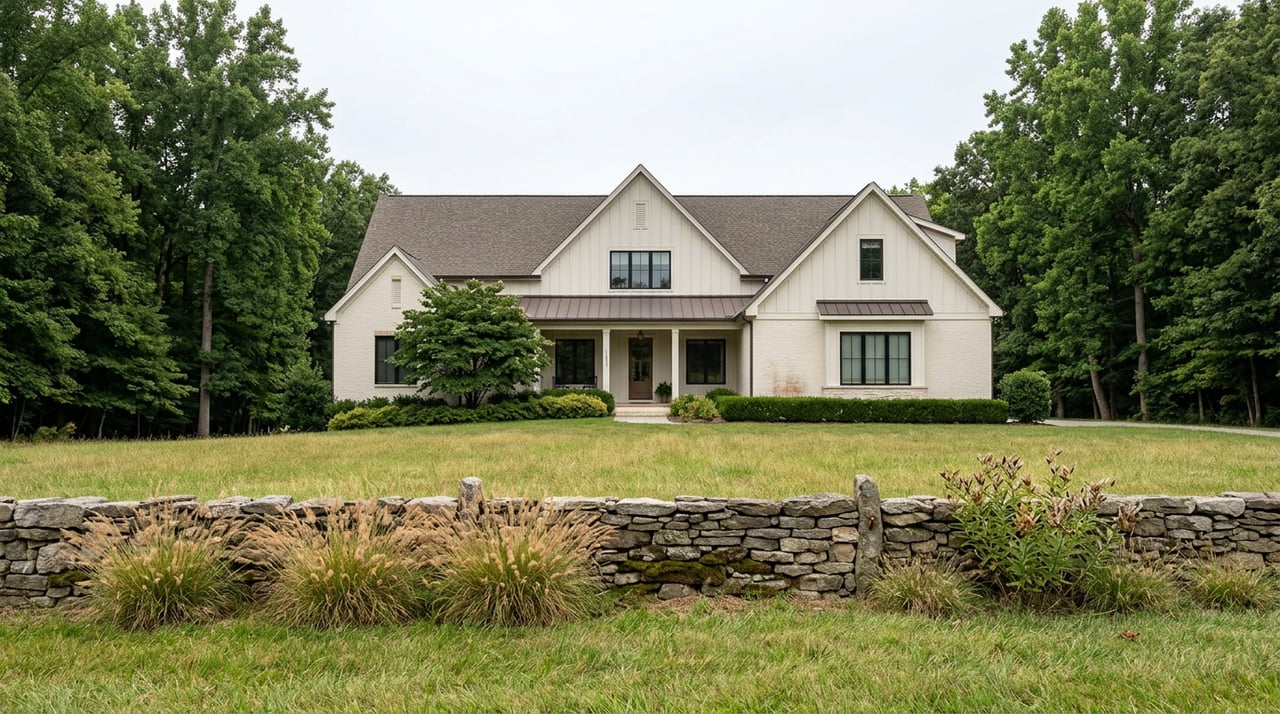
Luxury presentation matters, but acreage marketing needs more than beautiful interiors. Buyers need to see how the land lays out, how the home sits on the parcel, and how improvements relate to each other. Strong visuals help turn a complicated property into a clear opportunity.
For many Milton acreage listings, the most useful images include:
Aerial photography can be especially helpful on larger tracts. The FAA says real estate photography is non-recreational and commercial drone operations fall under Part 107, which requires a remote pilot certificate. For sellers, the takeaway is simple: aerials are powerful, but they should be done professionally and compliantly.
The fastest way to lose momentum with an acreage buyer is to overstate what the property can do. In Milton, you should not describe acreage as buildable, subdividable, or ready for a different use unless zoning, frontage, lot area, and required approvals have been verified. Buyers in this price point tend to notice vague claims quickly.
It is also important not to overlook CUVA or other land-use restrictions. A 10-year conservation-use framework can influence taxes and future options, so buyers should understand it from the start. Clear disclosure and accurate positioning usually lead to stronger, cleaner negotiations.
Another common mistake is making improvements to the site before checking permit rules. Clearing trees, grading land, or widening an area for visual appeal may seem helpful, but Milton’s land-disturbance and tree-removal rules can apply sooner than many owners expect. Good preparation is strategic, not rushed.
Discerning buyers usually arrive with a checklist. They may ask about the tract’s best use, utility access, septic and well setup, floodplain exposure, permit history, or whether barns and fences were approved. If your listing is ready with direct answers, your property often stands out.
This is where tailored strategy matters most. Acreage in Milton is not a cookie-cutter product, and the right market-ready plan depends on the parcel, the improvements, and the buyer profile most likely to respond. A thoughtful approach can make the property easier to understand, easier to trust, and easier to value.
If you are preparing to sell acreage, a farm, or an equestrian property in Milton, working with advisors who understand both luxury presentation and land-specific due diligence can make a meaningful difference. For tailored guidance on positioning your property for the market, connect with The Kroupa Team.


Patio Design Ideas That Bring Alpharetta Outdoor Living to Life.

What to Look for Poolside: Your Guide to Owning a Pool Home in Alpharetta.
Local Guide
Selling a home or property with the Kroupa Team assures you the highest professionalism and real estate consultation available in North Metro Atlanta communities. With over 18 years of experience marketing and selling luxury homes, equestrian properties, and residential real estate, you will receive unsurpassed customer service and guidance from listing to sell.