By The Kroupa Team
You just got the keys to your new Alpharetta home, and the excitement of a blank canvas is quickly meeting the reality of a thousand decisions. Which rooms come first? How do you fill the space without overcrowding it? How do you make a house that photographs beautifully still feel like somewhere you can kick your shoes off at the end of the day? Decorating a new home is one of the most rewarding parts of
making your move to Alpharetta, and it can also feel like the most overwhelming.
The good news is that striking the right balance is less about following rigid rules and more about understanding a few core principles that guide every good design decision. Whether you have settled into one of the newer builds near Avalon or a more established home, the goal is the same: a space that feels intentional, comfortable, and unmistakably yours. Alpharetta's mix of modern developments and mature, tree-lined streets gives you a rare amount of stylistic freedom, so the trick is knowing how to use it well.
Below, you will find a practical approach to decorating your Alpharetta home that keeps you from the two most common traps: a space that feels cold and unfinished or one that feels cluttered and busy. The sweet spot is somewhere in between, and it is absolutely within reach.
Key Takeaways
- Balancing scale, color, and texture is the foundation of a room that feels finished rather than sparse or overcrowded.
- Starting with a few anchor pieces in each room prevents impulse buys that never quite fit the space.
- Mixing high and low, both in price and in style, keeps a home from looking like a showroom and gives it personality.
- Alpharetta's blend of modern and established homes rewards a thoughtful, layered approach to decorating.
- Giving yourself time to live in the space before committing to big purchases leads to smarter, more lasting choices.
Start With the Bones of Each Room
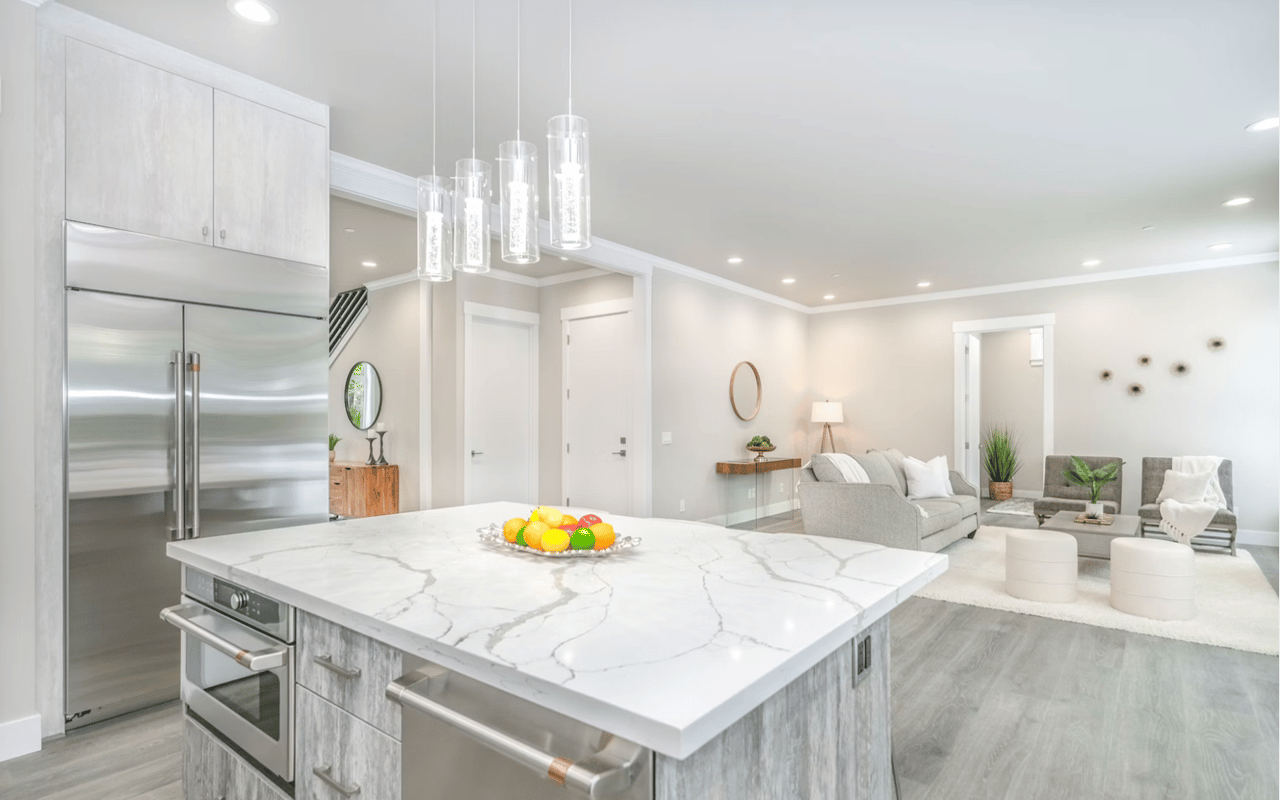
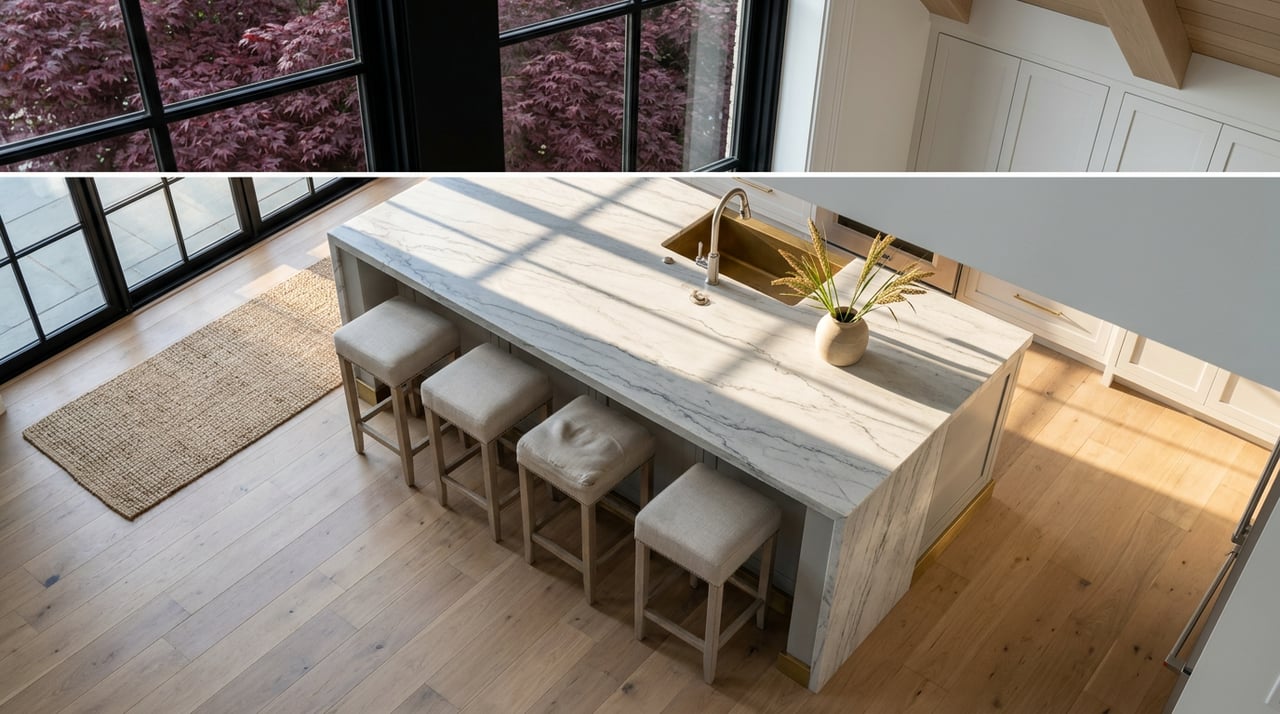
Before you buy a single throw pillow, spend time understanding the architecture you are working with. Every room has natural focal points, whether it is a fireplace, a bank of windows overlooking your backyard, or a striking kitchen island. The most balanced rooms are the ones that work with these features rather than fighting them. In many Alpharetta homes—whether exploring open floor plans or appreciating the unique
architectural charm of Alpharetta homes—you will find tall ceilings and generous natural light, which means your decorating choices need to hold their own in a larger volume of space.
Think about how you actually move through and use each room. A living room that opens into the kitchen calls for furniture arrangements that define zones without walls, so a well-placed sofa or a large area rug can quietly separate the cooking space from the lounging space. Established homes often have more defined rooms, which gives you the chance to commit to a distinct mood in each one. Working with the existing structure, rather than against it, is what makes a home feel cohesive from the front door onward.
What To Assess First
- The primary focal point of each room, such as a fireplace, window view, or architectural detail that naturally draws the eye.
- The direction and quality of natural light, since Alpharetta homes often feature large windows that shift the atmosphere of a room throughout the day.
- The flow between connected spaces, so that open-concept areas feel unified rather than disjointed.
- The ceiling height and overall scale, which determines whether your furniture and decor will feel proportional or lost in the space.
Build Around Anchor Pieces
One of the fastest ways to end up with a room that feels scattered is to buy piece by piece without a plan. Instead, choose one or two anchor pieces for each space and let everything else build outward from them. An anchor piece is something substantial and intentional: a sofa you love, a dining table that seats everyone comfortably, or a bold rug that sets the color story for the entire room. Once you have these anchors in place, the smaller decisions become far easier because you have a reference point for scale, tone, and style.
This approach also protects your budget and your patience. When you know your living room is built around a deep charcoal sectional and a warm oak coffee table, you can walk past a trendy accent chair that would clash and feel confident in that choice. Anchor pieces give a room gravity, and they keep you from the common mistake of filling a space with items that individually appealed to you but collectively feel like they belong in different homes. As your team on the ground here in Alpharetta, we often remind clients that the best-decorated homes usually started with just a handful of confident, deliberate decisions.
The layers come next, and this is where the personality arrives. Once your anchors are set, you can introduce texture through pillows, throws, and window treatments and color through art and accessories. These lighter elements are easy to swap seasonally or as your taste evolves—and our guide on
choosing paint tones for every room can help guide your palette.
How To Choose Your Anchors
- Select pieces that are proportional to the room, so a large open living area needs substantial furniture rather than small, delicate items that get lost.
- Prioritize quality on the items you use most, such as your sofa and mattress, because these are worth the investment and set the tone for comfort.
- Choose a neutral or timeless base for anchor pieces, so you can refresh the surrounding decor without replacing the expensive foundation.
- Let one anchor establish the color palette, and pull two or three complementary shades from it for the rest of the room.
Mix Styles, Textures, and Price Points
A home that feels balanced is rarely one that came entirely from a single catalog. The rooms that feel the most inviting are the ones that layer different eras, textures, and price points into something that looks collected over time rather than purchased all at once. This is where you get to have fun. Pair a sleek modern sofa with a vintage wood side table, or hang contemporary art above a traditional console. Blending elements like a
modern classic style in interior design gives a room energy and keeps it from feeling flat or overly coordinated.
Texture is your best friend when it comes to warmth. A room with a linen sofa, a wool rug, a leather chair, and a few woven baskets will feel rich and grounded even in a muted color palette. This matters especially in Alpharetta's newer homes, where clean lines and open spaces can sometimes read as sterile without soft, tactile layers to balance them. Mixing matte and glossy finishes, rough and smooth surfaces, and hard and soft materials creates visual interest that keeps the eye moving comfortably around the room.
Price point is the final layer of the mix. There is no rule that says every item must be expensive, and in fact, the most interesting homes blend investment pieces with affordable finds. Splurge on the things that matter, such as seating and lighting, and save on the accessories and decorative objects that you may want to change down the road. This balance keeps your home feeling personal and lived-in rather than staged.
What To Layer for Depth
- Combine at least two or three distinct textures in every room, such as wood, metal, and a soft textile, to create warmth and dimension.
- Mix furniture from different styles or eras, so a modern space feels grounded and a traditional one feels fresh.
- Balance high-cost anchor pieces with more affordable accessories, which lets you refresh the look over time without a full overhaul.
- Vary the finishes throughout the room, including matte, glossy, woven, and polished surfaces, to keep the space from feeling one-note.
Give the Space Time to Breathe
The most common regret people have after decorating a new home is rushing. In the rush to make a house feel finished, it is tempting to fill every corner, hang art on the first weekend, and buy furniture for rooms you have barely used yet. Some of the best design decisions come from simply living in a space for a few weeks and paying attention to how you actually use it. You will notice where the afternoon light lands, which corner your reading chair naturally wants to go, and whether that entryway or
home office layout really needs a console or just a simple hook and bench.
Restraint is an underrated part of excellent design. A room that has a little breathing space feels calmer and more intentional than one packed with decorative objects. This does not mean living with empty walls forever; it means being deliberate about what earns a place in your home. When you leave room for pieces to be added slowly and thoughtfully, the result is a home that tells your story rather than one that simply looks decorated.
How To Practice Patience
- Live in each room for a few weeks before committing to major furniture purchases, so you understand how you actually use the space.
- Prioritize the rooms you use most, such as the kitchen and primary bedroom, and let the less-used spaces come together gradually.
- Leave intentional negative space, since an uncluttered room often feels more polished than one filled to capacity.
- Collect pieces over time, including art and accessories, rather than buying everything at once to avoid a staged, impersonal look.
FAQs
Where Should I Start When Decorating a New Home?
Start with the rooms you will use the most, typically the living room and primary bedroom, and begin with anchor pieces like your sofa or bed before moving on to accessories. Establishing the foundation in your highest-traffic spaces first gives the rest of your home a reference point for style and tone, so the smaller decisions become much easier.
How Do I Avoid Making a Room Look Cluttered?
The key is restraint and intention. Choose a few meaningful pieces rather than filling every surface, and leave some negative space so the eye can rest. Grouping decorative objects in odd numbers, editing down accessories, and giving your furniture room to breathe all help a space feel curated rather than crowded.
What Is the Best Way to Mix Modern and Traditional Styles?
Anchor the room in one dominant style and use the other as an accent. If your Alpharetta home has a modern, open floor plan, you might introduce warmth through a few traditional or vintage pieces, such as an antique wood table or a classic upholstered chair. The contrast creates depth and keeps the space from feeling like it came straight from a showroom.
How Much Should I Budget for Decorating a New Home?
Rather than a single number, think in terms of priorities. Invest in the pieces you use daily and that anchor each room, such as seating, lighting, and mattresses, and save on the accessories you may want to swap over time. This balanced approach lets you build a beautiful home gradually without feeling pressure to finish everything at once.
Your Alpharetta Home, Beautifully Yours
Decorating a new home is a balancing act between comfort and character, between filling a space and letting it breathe, and between making confident choices and giving yourself room to evolve. When you start with the architecture, build around a few anchor pieces, and layer in texture and personality, you end up with a home that feels both polished and genuinely livable. The most beautiful spaces are the ones that reflect the people who live in them, and that kind of home is built with patience and intention.
If you are just getting started in a new home or actively searching
Alpharetta homes for sale, our team would love to help. We know this market inside and out, and we are always happy to share our local perspective. Reach out to
The Kroupa Team, and let us help you make your next chapter here everything you hoped it would be.