Inside Milton’s Equestrian Lifestyle And Luxury Farm Living
May 28, 2026
May 28, 2026
Are you looking for a place where open pasture, quiet gravel roads, and luxury estate living can all exist within reach of Atlanta? Milton stands out because it does not treat equestrian living as a niche lifestyle. In this city, horses, farms, trails, and large-lot homes are woven into the community itself. If you want to understand what makes Milton so appealing for horse owners, acreage buyers, and luxury home shoppers, this guide will walk you through it. Let’s dive in.
Milton has built a real identity around its equestrian roots. The city maintains a formal Equestrian Committee and describes the community as one that includes horse owners, riders, and residents who simply enjoy living near farms and pastures.
That identity is not just branding. Milton’s 2024 farm census found more than 200 active horse farms within the city. These properties are spread throughout Milton rather than tucked into one isolated area, which helps create a consistent rural and horse-friendly feel across the market.
Another part of Milton’s appeal is location. The city sits in North Fulton about 30 miles from Atlanta, giving you a setting that feels pastoral while still keeping metro access within reach.
In Milton, luxury farm living usually fits into a larger rural-residential pattern. You are not simply shopping in a remote agricultural market. Instead, you are often looking at estate homes, large-lot properties, and horse-friendly parcels that exist alongside upscale residential living.
The city defines a large lot as 3 acres or more. Milton’s large-lot incentive program is designed to discourage subdivision and help preserve the rural character that many buyers are specifically seeking.
City planning also describes its Agriculture, Equestrian, and Estate Residential pattern as land that can support hobby farms, equestrian facilities, and large-lot residential estates. That matters if you want a property that offers both a refined home environment and practical farm or horse functionality.
If you are searching for an equestrian or small-farm property in Milton, you will likely pay attention to features beyond the main house. Many buyers want land that supports the lifestyle as much as the home supports daily living.
Common features often include:
These are not unusual wish-list items in Milton. They align with the city’s planning language and with the types of local facilities and properties seen in the market.
A true horse community needs more than acreage. It also needs support systems, practical resources, and a city framework that recognizes how people actually use horse properties.
Milton shows that support in several ways. The city has explored incentives for horse-friendly improvements such as covered riding arenas on 10-plus-acre properties, rebuilding existing barns and run-in sheds, and standardized plans for run-in sheds. That kind of planning helps preserve the working utility of equestrian properties over time.
For buyers, that can make a meaningful difference. It signals that Milton is thinking not only about preserving appearance, but also about supporting the actual function of horse and farm properties.
Even if you are not buying a fully developed horse property, local equestrian resources are an important part of the lifestyle. Milton has several established boarding and training facilities that add depth to the market.
Examples mentioned in local research include:
These facilities help show that Milton offers more than private land. It also provides a broader equestrian ecosystem.
One reason Milton’s equestrian identity feels so established is its trail network. The city’s trail plan says the core network begins with 9.5 miles of existing gravel roads plus 12.9 miles of highest-priority shared-use trails.
That detail matters because Milton explicitly describes those gravel roads as part of an existing network for bicycle, pedestrian, and equestrian travel. The city’s transportation planning also notes that trail and sidewalk planning considers people traveling on foot, bikes, and horses.
This means trail access is not treated as an afterthought. It is part of how the city thinks about mobility, recreation, and preserving its rural nature.
Milton also offers public spaces that support equestrian use. These spaces help reinforce the city’s horse-friendly lifestyle even beyond private farms and estates.
Birmingham Park is one of the clearest examples. The city says it includes nine multi-use natural-surface trails and is used by equestrians and hikers. Past upgrades added horse-trailer-friendly parking, hitching posts, connecting trails, and a dedicated water source for animals.
Freemanville-Birmingham greenspace is another notable destination. This 21-acre pasture-like public property includes a parking lot large enough for horse trailers to turn around, and the city has explicitly described it as an equestrian destination.
Lakhapani Preserve adds to that network. The 106-acre greenspace includes a 1.5-mile trail, a gravel parking area, and room for potential trail expansion based on city planning documents.
Milton’s Adopt-a-Trail program and broader Greenprint planning process also show that trail maintenance and open-space planning remain active civic priorities.
In some places, horse properties exist quietly in the background. In Milton, equestrian culture is visible in community life.
The city’s horse-themed Meet the Neighbors event is one example. It includes pony rides, tack, animals, food, music, and large-animal rescue demonstrations, showing how horse culture connects with the broader community, including residents who do not own horses.
Milton also uses its equestrian platforms to address practical issues such as fireworks stress for horses. That kind of communication reflects how normal and visible horse ownership is within the city.
If you are considering a farm, estate, or equestrian property in Milton, it is smart to look beyond appearances. A beautiful barn or open pasture does not automatically mean a property will match your intended use.
Before you move forward, verify:
Milton’s zoning staff handle questions related to special uses, variances, development regulations, and land use. That makes early due diligence especially important when you are evaluating a niche property.
For some buyers, land stewardship is part of the goal. Milton notes that Fulton County handles homestead exemptions and manages Conservation Use Value Assessment for qualifying agricultural properties.
The city also notes that its Transfer of Development Rights program can support conservation outcomes for suitable parcels. If you are comparing larger tracts or farm properties, these local considerations may be part of the bigger decision.
Milton’s appeal goes beyond horses alone. Many buyers are drawn to the mix of privacy, space, and upscale residential living that is harder to find in more densely developed parts of metro Atlanta.
You may want a polished estate home with fenced acreage, a modern farmhouse on a large lot, or a property that balances refined design with real utility. Milton’s market can support those goals because its rural character is not accidental. It is reinforced by planning policies, trail investment, open-space priorities, and an active equestrian community.
That is what makes Milton feel authentic. It is not simply a place with a few barns and some large homes. It is a city where rural character, luxury living, and equestrian infrastructure genuinely intersect.
For buyers and sellers in this niche, that also means local expertise matters. A horse property or luxury farm property needs careful evaluation, and when it comes time to sell, it needs marketing that understands both the home and the lifestyle attached to it.
If you are exploring Milton for equestrian living, luxury farm ownership, or a move that gives you more land without giving up convenience, working with specialists who understand these properties can help you make smarter decisions. The Kroupa Team offers hands-on guidance for buyers and sellers across Milton and North Metro Atlanta, with deep experience in luxury, land, farm, and equestrian real estate.
Why Feelings Matter as Much as Numbers in Alpharetta Real Estate.

Where to Find Specialty Shops and Upscale Retail in Alpharetta.
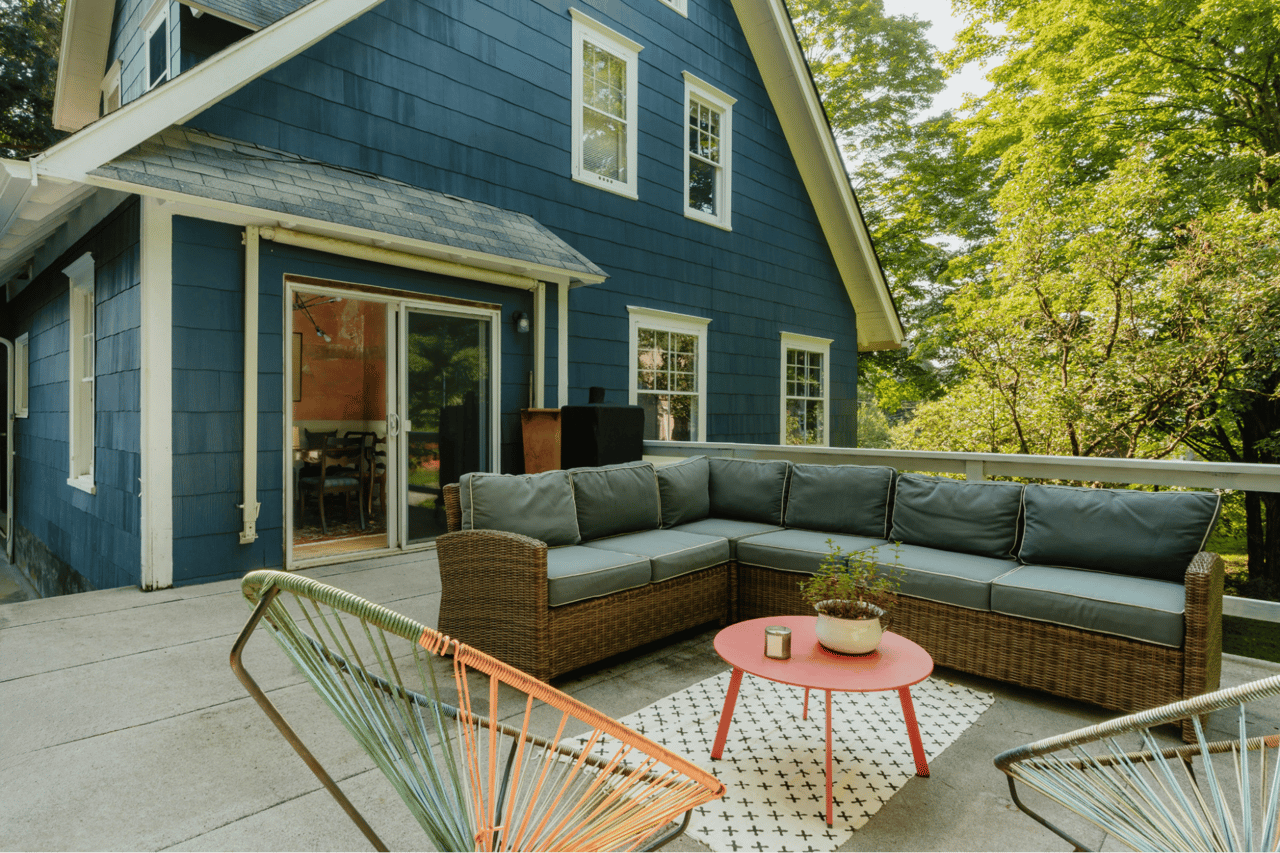
Patio Design Ideas That Bring Alpharetta Outdoor Living to Life.
Selling a home or property with the Kroupa Team assures you the highest professionalism and real estate consultation available in North Metro Atlanta communities. With over 18 years of experience marketing and selling luxury homes, equestrian properties, and residential real estate, you will receive unsurpassed customer service and guidance from listing to sell.