Roswell Doesn't Move at One Speed, and the Difference Should Change Your Offer
September 24, 2026
September 24, 2026
How fast does a house sell in Roswell? Ask three different sources and you'll get three different answers, and none of them are wrong. They're just measuring different things, in different months, in a city that behaves less like one market and more like five markets sharing a zip code.
That distinction matters if you're comparing homes right now. A house that's been sitting for six weeks might be a warning sign in one Roswell neighborhood and completely normal in another. The citywide average everyone quotes doesn't tell you which is which. The neighborhood-level data does, and it tells a more interesting story than the headline number ever could.
Before you get to neighborhoods, the first surprise is that "Roswell's market pace" already disagrees with itself depending on who's counting. In March 2026, Realtor.com put the citywide median at 36 days on market. Zillow, measuring time to pending contract rather than closed sale, showed homes going pending in around 33 days that same spring. Redfin, using its own methodology, reported a 47-day median for February 2026.
None of these are mistakes. They're measuring different moments in a transaction (listed to pending versus listed to closed) and pulling from slightly different data windows. But it's worth sitting with the fact that three reputable sources, looking at the same city in the same season, landed anywhere from 33 to 47 days. If the citywide figure can move that much depending on definition, it was never going to hold up as a single description of every pocket inside it.
By August 2026, the most recent data available, the citywide pace had settled at a median of 47 days on market, with homes listing at a median of $699,000 and roughly $242 per square foot, according to Movoto's monthly figures. That's essentially the same 47-day pace Redfin had reported back in February. The citywide number, in other words, has been remarkably stable all year. Which makes what happens underneath it even more worth understanding.
In March 2026, Realtor.com broke its Roswell data down by neighborhood, and the spread was larger than most buyers would expect from a single mid-size Georgia suburb.
| Neighborhood | Median Days on Market (March 2026) | What Sets the Pace |
|---|---|---|
| Martin's Landing | 23 days | 1,030-acre lake and river community with its own foundation-run amenities and top-rated Esther Jackson Elementary |
| Roswell Historic District | 30 days | Walking distance to Canton Street's restaurants and shops |
| Horseshoe Bend | 37 days | Golf course community built around the Horseshoe Bend Country Club |
| Barrington | 46 days | Established subdivisions like Barrington Farms, several with optional or no HOA |
| Holcombs Crossing | 48 days | Conventional subdivision living without a lake, golf course, or downtown walk anchoring it |
That's a range from 23 days to 48 days, more than double, inside a single city in a single season. A buyer relying only on the citywide figure would have no way to know that a listing in Martin's Landing typically moves twice as fast as one in Holcombs Crossing.
The fast-moving pockets share something the slow-moving ones don't: each is organized around a specific draw that does a lot of the selling before a buyer ever walks through the front door.
Martin's Landing spans 1,030 acres along the Chattahoochee River and includes 12 individual subdivisions, all supported by the Martin's Landing Foundation, which maintains a 53-acre lake, walking trails, tennis courts, and a newer River Lodge on the riverbank. Buyers who tour there already know what they're buying beyond square footage. As of January 2026, the neighborhood's median home price sat around $542,000, noticeably below the citywide figure, which suggests part of the speed comes from a price point that a broad pool of move-up buyers can act on quickly once the lifestyle fits.
Horseshoe Bend works on a similar principle at a different price tier. The community's golf course was originally designed by Joe Lee in 1974 and renovated by Bob Cupp in 2011, and it anchors a country club with tennis facilities and a clubhouse that hosts regular social events. Homes here have recently ranged from roughly $500,000 to several million dollars, with a listing median closer to $825,000. That wider price band likely explains why Horseshoe Bend moves a little slower than Martin's Landing, buyers are comparing more options within the community itself before they commit, but it still moves well ahead of the citywide pace because the golf and river amenities pre-qualify who's shopping there in the first place.
Barrington tells a different story. The area includes established subdivisions like Barrington Farms, a roughly 470-home community with a volunteer-run, optional homeowners association, plus sections with no HOA at all. That flexibility is genuinely appealing to some buyers, but it also means Barrington is competing on price and layout against a wider set of similar North Fulton subdivisions rather than selling a singular experience. Holcombs Crossing sits in the same category: solid, conventional Roswell housing without a defining lake, golf course, or walkable downtown to shorten the decision.
That's the mechanism. The neighborhoods selling an identity move fast. The neighborhoods selling a house move at the pace of everything else competing for the same buyer.
Here's the part that should change how you read Roswell listings. The citywide average of 47 days, the number that's held steady from February through August 2026, sits almost exactly where Holcombs Crossing sits on its own. It's nowhere close to Martin's Landing's 23-day pace.
That's worth pausing on. The "average Roswell buyer experience" that portals describe isn't really an average of extremes meeting in the middle. It's closer to the pace of the slower, more conventional subdivisions, because there are more of them, pulling the citywide number toward their end of the range. If you've been reading "47 days" and assuming that applies evenly across the city, you've actually been reading a number that describes Holcombs Crossing better than it describes Martin's Landing.
For a buyer, that reframes the whole question. A well-priced home sitting 45 days in Martin's Landing is genuinely unusual, worth asking why. The same 45 days in Holcombs Crossing is just Tuesday.
The citywide average was never describing your house. It was describing the whole city's houses added together and divided, which is a different thing entirely.
Does a faster-moving neighborhood mean I'll have less room to negotiate? Generally, yes, in the sense that homes in Martin's Landing or the Historic District tend to attract decisions quickly once they're priced correctly. That doesn't mean there's no room to negotiate. It means you should be ready to move if a well-priced home in one of those pockets fits what you're looking for.
If Barrington and Holcombs Crossing move slower, are they undervalued? Not necessarily. Slower movement there reflects a broader, more price-competitive set of similar homes nearby, not a lack of demand. It does mean you'll likely have more time to compare options and negotiate than you would in a lake or golf community.
Roswell's housing market rewards buyers and sellers who read it at the neighborhood level instead of the city level. If you're weighing a specific pocket against the citywide numbers you've seen online, The Kroupa Team can walk through what the current data means for the exact street you're considering, and what it should mean for your offer.
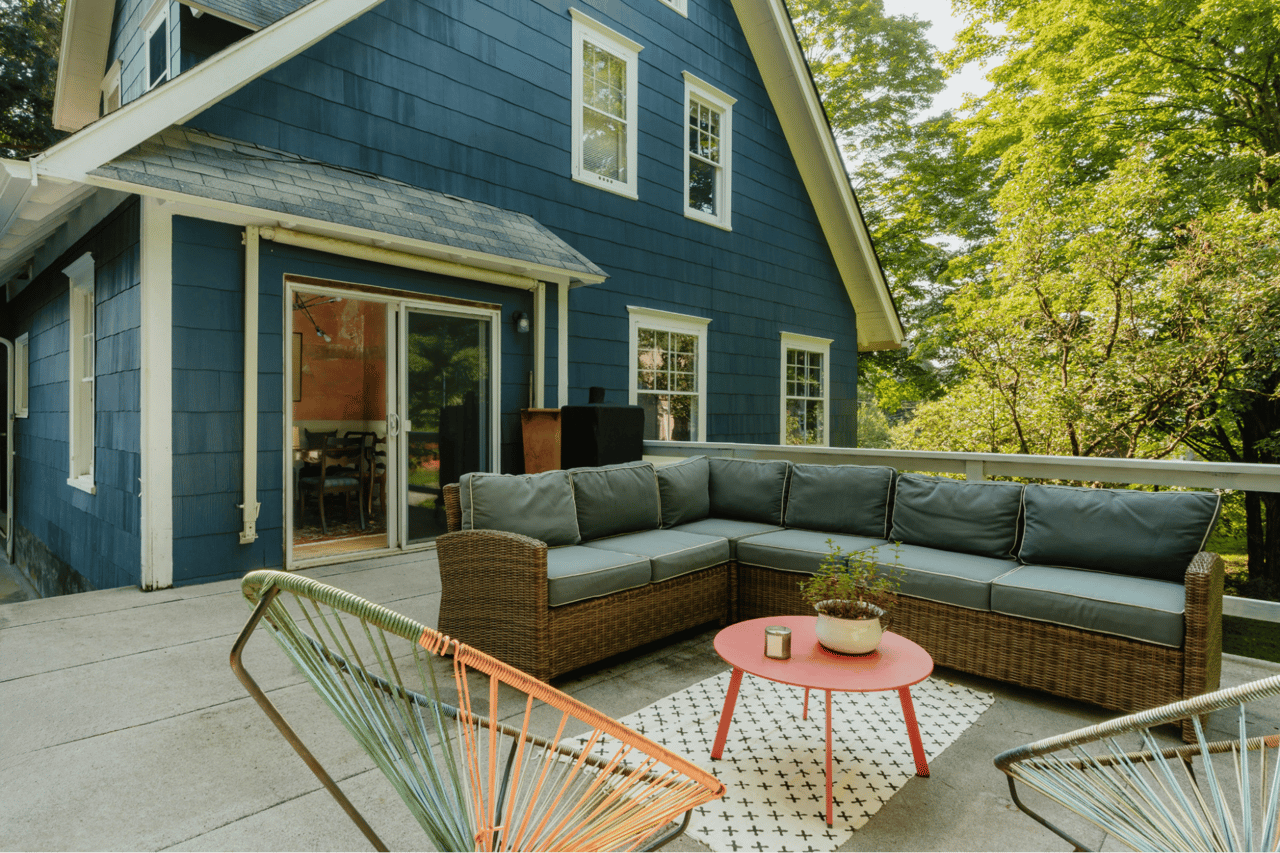
Patio Design Ideas That Bring Alpharetta Outdoor Living to Life.

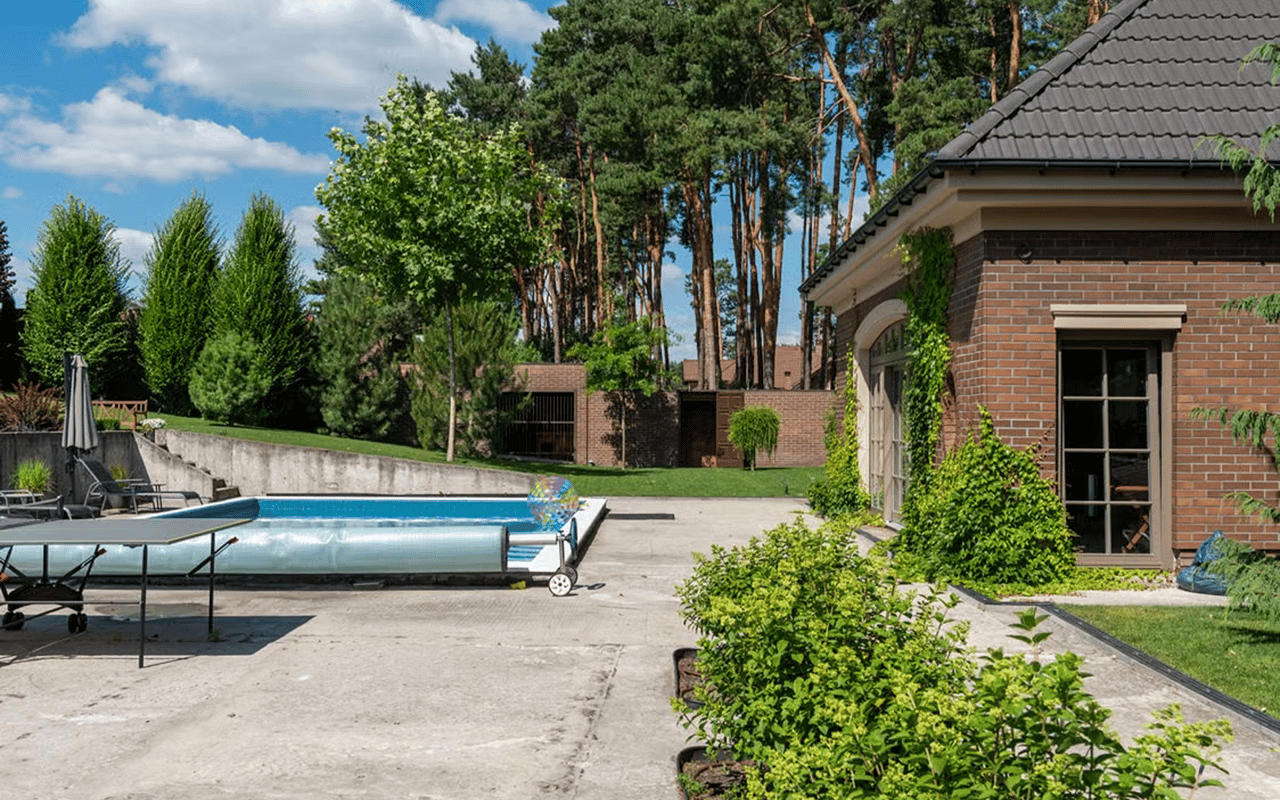
What to Look for Poolside: Your Guide to Owning a Pool Home in Alpharetta.
Local Guide
Selling a home or property with the Kroupa Team assures you the highest professionalism and real estate consultation available in North Metro Atlanta communities. With over 18 years of experience marketing and selling luxury homes, equestrian properties, and residential real estate, you will receive unsurpassed customer service and guidance from listing to sell.