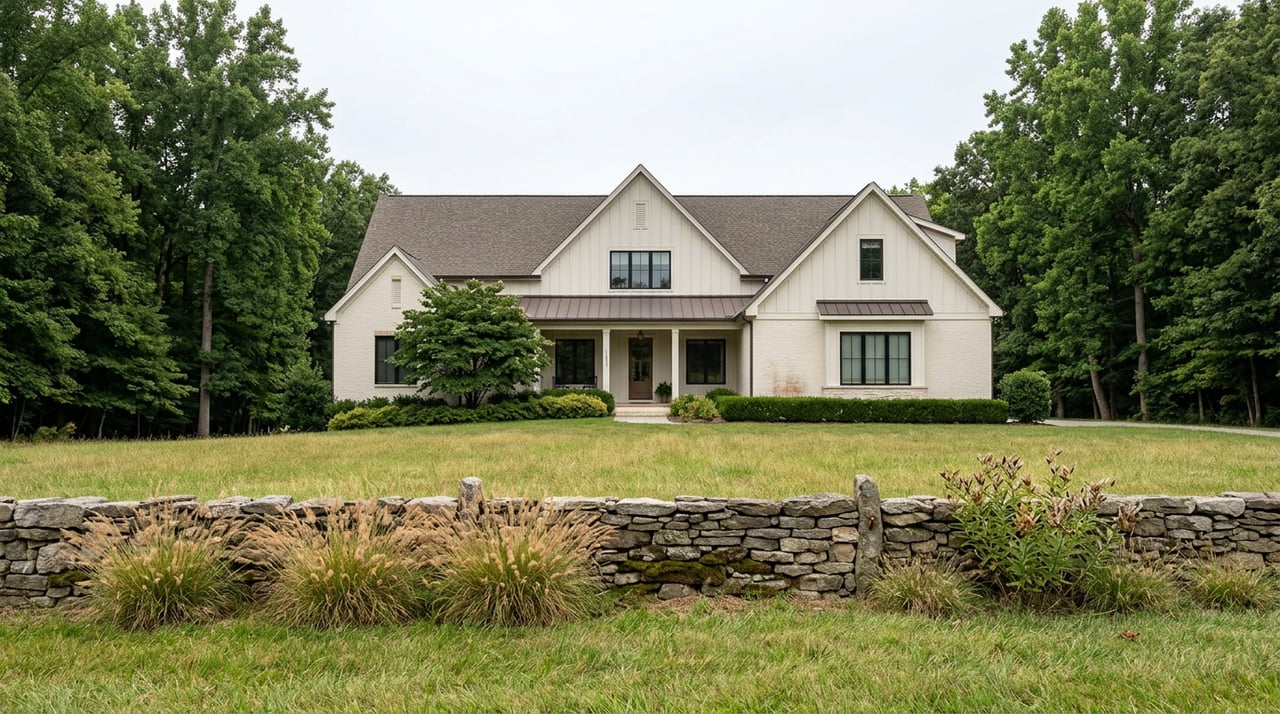
Why Five Acres in Canton Doesn't Always Buy Five Acres of Building Rights
August 27, 2026
August 27, 2026
A buyer we've worked with found a 5-acre parcel east of Canton this spring, priced right, septic already approved, everything a horse family could want on paper. She wanted the house, a three-stall barn, and eventually a small guest cottage for her mother. The listing said "septic approved." What it didn't say was that the approval covered a single-family residence and nothing else, that the soil group on that particular ridge required a larger reserve area than she assumed, and that adding a second structure meant going back to square one with the county before she could break ground on the barn.
That gap between what a listing implies and what the ground actually allows is the real story for anyone shopping acreage in Cherokee County right now. The acreage number gets all the attention. The soil and the water source are what actually decide what you can build.
Cherokee County's Board of Health sets minimum lot sizes for any property using a well and an on-site septic system, and the size isn't a flat rule. It's tied to soil group and slope. A lot with rock or water sitting less than 21 inches below the surface needs a minimum of 3 acres if it relies on well water. That same soil condition only needs 1.5 acres if the lot has DNR-approved public water and a percolation rate faster than 91 minutes per inch.
That's not a small difference. It means two 5-acre listings half a mile apart in Cherokee County can carry very different building rights depending on whether one sits on shallow granite and the other has access to county water. A buyer comparing them on price per acre alone is comparing two different products.
| Water source | Soil condition | Minimum lot size |
|---|---|---|
| Private well | Rock or water shallower than 21 inches | 3 acres |
| DNR-approved public water | Same soil, perc rate under 91 min/inch | 1.5 acres |
This is why a seller's claim that land is "buildable" or "septic approved" is a starting point, not a guarantee. It tells you a system was evaluated for something. It doesn't tell you whether that evaluation leaves room for the barn, the guest house, or the pool house you're planning to add later.
Before any permit gets issued, a county sanitarian digs two to four test pits on the property and checks percolation rate, soil texture, depth to bedrock, and depth to the seasonal water table. That evaluation determines which system types are even feasible and where on the lot they can go.
If conventional gravity works, you're generally looking at $6,000 to $8,000 for the system. If the soil only supports an alternative system, mound, drip, or an aerobic treatment unit, budget $10,000 to $25,000. Statewide cost ranges for 2026 run from roughly $6,400 to $15,000 or more depending on the system and site conditions. None of that is visible from a listing photo of a rolling pasture, and it's exactly the kind of number that should shape your offer before it shapes your closing costs.
Failing a conventional perc test doesn't mean the land is dead. It usually means a different, more expensive system is the path forward. Only rarely, on very small or severely limited lots, is nothing feasible at all.
Georgia's septic rules require specific separation distances that quietly shrink how much of your acreage is actually usable once you start placing structures:
On top of that, Georgia recommends, and some counties require, setting aside a second area for a reserve drain field in case the original ever fails. That means a 3-acre lot isn't 3 usable acres. It's 3 acres minus a well radius, minus a primary drain field, minus a reserve drain field, minus whatever setback the county applies to a barn or accessory structure. For an equestrian buyer trying to fit a house, a barn, paddocks, and a guest cottage on what looked like generous acreage, this is where plans get redrawn at the kitchen table.
This is the piece that catches buyers off guard more than price ever does. They budget for the land. They don't budget for the math that decides how much of it they can actually use.
Cherokee is one of the fastest-growing counties in the state for residential permitting, alongside Forsyth, Gwinnett, and Hall. Most Georgia counties process septic permits within two to six weeks. In a high-growth county like Cherokee, plan for the longer end of that window or beyond, simply because of how much development volume the environmental health office is working through at any given time.
Here's the part that trips up buyers who assume they can sit on approved land indefinitely: a Georgia septic permit is valid for a maximum of 12 months from the date it's issued. If construction doesn't start in that window, the permit expires and there are no extensions. You go back through a new site evaluation, on the county's current timeline, not the one you got quoted a year earlier.
For anyone buying acreage now with a plan to build in a year or two, that's worth building into your timeline on purpose. Getting the permit early doesn't bank you time. It starts a countdown.
None of this means acreage in Cherokee County is a bad bet. It means the negotiation happens before the site evaluation, not after. A septic feasibility contingency in your purchase contract lets you walk away, earnest money intact, if the soil can't support a system you can actually afford to build. That single clause is the difference between an informed offer and an expensive surprise six weeks into due diligence.
The land east of Canton toward Ball Ground and Freehome, the kind our equestrian clients often ask about, tends to run through a mix of red clay and weathered granite typical of the Blue Ridge foothills. It's beautiful country, close to Cherokee Feed & Seed for hay and tack, an easy drive to Garland Mountain Sporting Clays, and a short trip into Vickery Village or downtown Ball Ground for dinner after a long day in the barn. It's also exactly the kind of terrain where shallow bedrock and slow-draining soil show up more often, which is precisely why the soil test matters more than the acreage total on a listing sheet.
If you're shopping land zoned for Creekview High School, or acreage that falls near Northside Hospital's service area on the Canton side of the county, the same rule applies regardless of the neighborhood name attached to the listing. The soil doesn't care what the subdivision is called.
If a listing says "septic approved," does that cover future additions like a barn or guest house? Not automatically. The approval covers the specific structure and system evaluated at the time. Adding a second dwelling or a large accessory structure can require the county to reassess setbacks and reserve area, so ask what the original approval actually included.
How long should I expect the permit process to take in Cherokee County? Plan for longer than the statewide two to six week average. Cherokee's development volume is high enough that the county is explicitly named as one of the districts processing a disproportionate share of the state's permit applications.
What's the real cost difference between a conventional and alternative septic system? Conventional gravity systems typically run $6,000 to $8,000. If the soil only supports an alternative system, such as a mound or aerobic treatment unit, expect $10,000 to $25,000, which should factor directly into your offer price on raw land.
What happens if I get a permit but don't build within a year? It expires. Georgia septic permits are valid for 12 months with no extensions, so a new site evaluation is required if your timeline slips past that window.
Acreage math in Cherokee County rewards buyers who ask about soil before they ask about square footage. If you're comparing land for a home, a barn, or a full equestrian setup anywhere from Canton into Milton or Ball Ground, The Kroupa Team can walk the specific parcel with you and help you understand what the acreage number actually buys before you're under contract. Contact us when you're ready to look at land the right way.

Why Feelings Matter as Much as Numbers in Alpharetta Real Estate.

Where to Find Specialty Shops and Upscale Retail in Alpharetta.
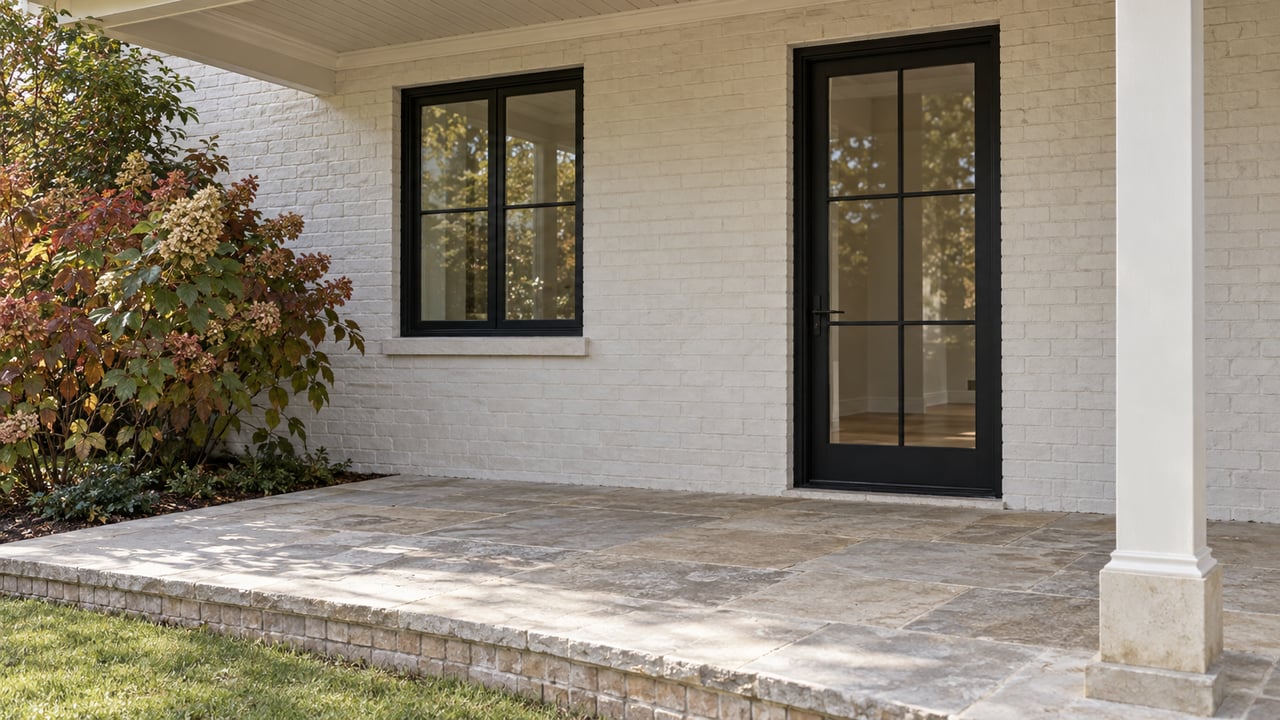
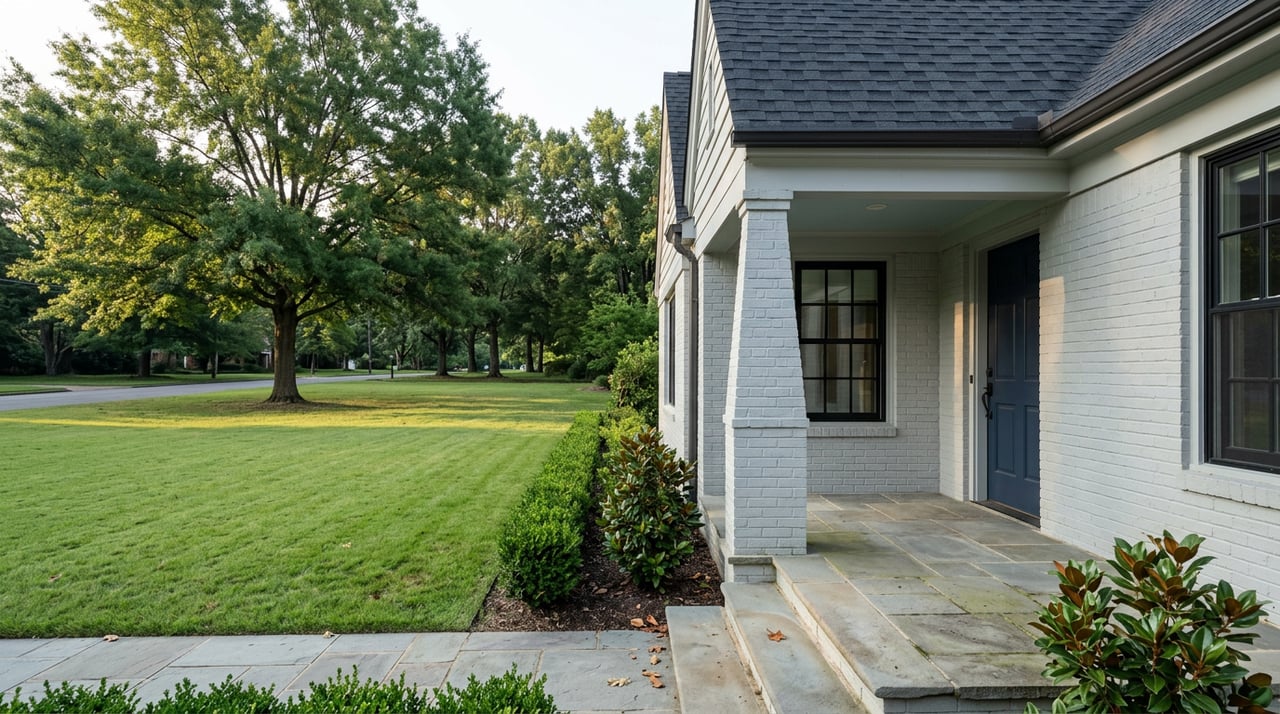
Patio Design Ideas That Bring Alpharetta Outdoor Living to Life.

What to Look for Poolside: Your Guide to Owning a Pool Home in Alpharetta.
Selling a home or property with the Kroupa Team assures you the highest professionalism and real estate consultation available in North Metro Atlanta communities. With over 18 years of experience marketing and selling luxury homes, equestrian properties, and residential real estate, you will receive unsurpassed customer service and guidance from listing to sell.